
Written and medically reviewed by Dr Sudeep, Consultant Urologist and Andrologist. Last updated: 18 November 2026.
What is circumcision?
Circumcision is a simple operation to remove the foreskin, the fold of skin that covers the head of the penis (the glans). It is one of the most common operations in urology, done for both children and adults. It usually takes 20 to 40 minutes, and most people go home the same day.
Table of Contents
Why is circumcision done?
Doctors usually advise circumcision for medical reasons such as:
- Phimosis: a tight foreskin that cannot be pulled back, causing pain, ballooning while passing urine, or difficulty keeping clean. See our phimosis guide.
- Repeated balanoposthitis: infection or inflammation of the head of the penis and foreskin that keeps coming back. See our balanoposthitis guide.
- Paraphimosis: when a pulled-back foreskin gets stuck and swells behind the head of the penis. This is an emergency.
- Lichen sclerosus (BXO): a skin condition that scars and tightens the foreskin.
- Repeated urine infections in some children with other urinary problems.
- Religious, cultural or personal reasons.
In young boys, a foreskin that does not pull back is usually normal and often loosens with age. Circumcision is not always needed. Many cases improve with a steroid cream.
For an overview of all common conditions, see our complete guide to foreskin problems.
Conventional vs stapler circumcision
There are two main ways to do it. Both are safe and effective, and your urologist will help you choose.
| Conventional circumcision | Stapler circumcision | |
|---|---|---|
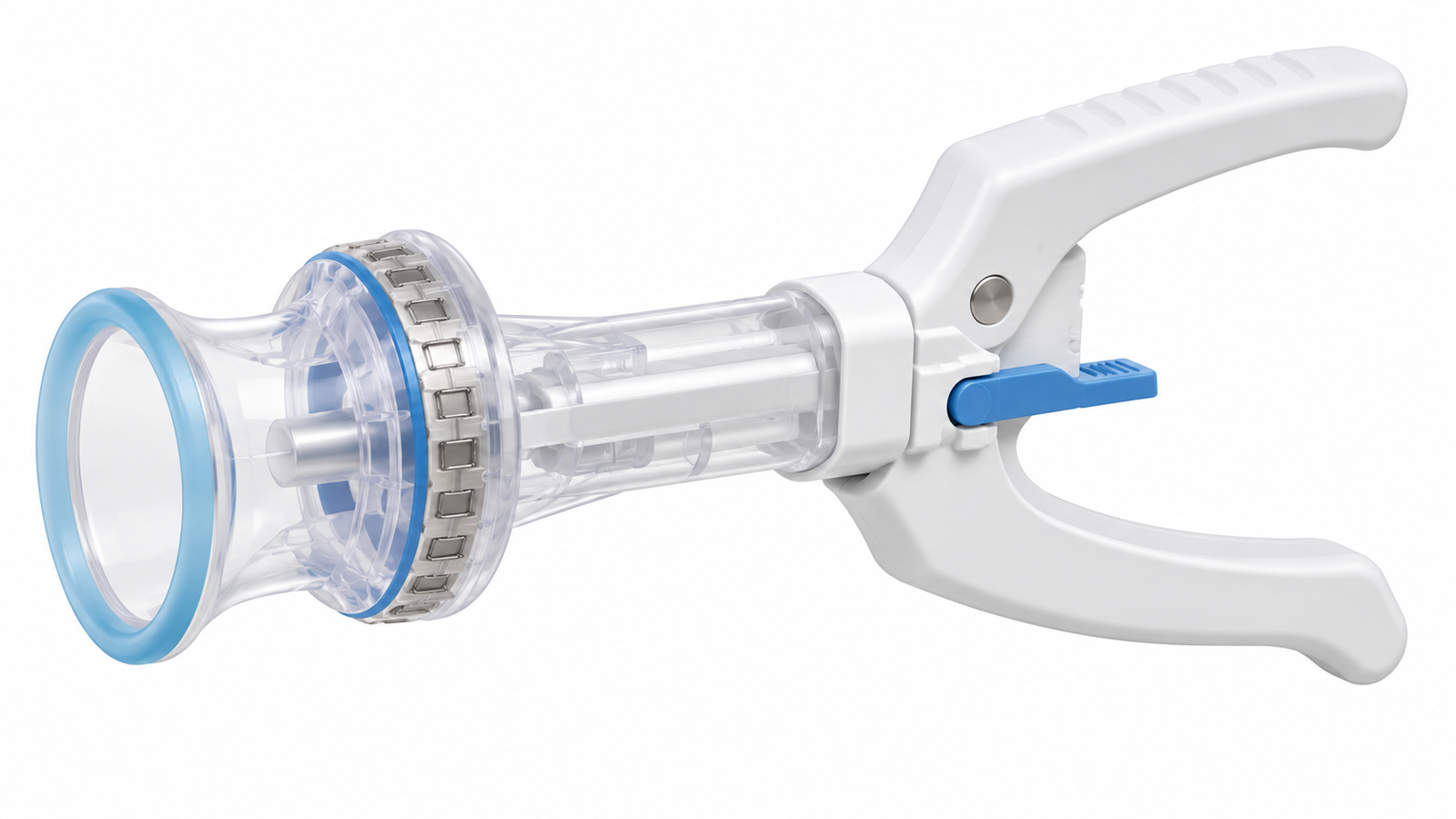
| How it is done | Foreskin removed with a scalpel or cautery, edges joined with stitches | A disposable circular stapler cuts the foreskin and seals the edge with tiny staples in one step |
| Wound closure | Dissolvable stitches | Small staples that fall off on their own |
| Operation time | About 30 to 40 minutes | Often about 10 to 20 minutes |
| Bleeding | Low | Usually very low |
| Appearance | Neat, depends on surgical technique | Even, neat circular edge |
| Recovery | Usually 2 to 4 weeks | Often a little quicker |
| Cost | Lower | Higher, because the device is single-use |
How is it done?
- Anaesthesia: Adults usually have a local anaesthetic injection or spinal anaesthesia. Children usually have a general anaesthetic.
- Removing the foreskin: The surgeon removes the foreskin either by hand with stitches, or with the stapler device.
- Dressing: A light dressing is applied, which usually comes off in 1 to 2 days.
Risks and possible problems
Circumcision is very safe when done by a trained surgeon. Possible problems include:
- Swelling and bruising, which are common and settle over a few weeks
- Bleeding, usually minor
- Infection, which is uncommon
- Narrowing of the urine opening (meatal stenosis), mainly in children
- Staples not falling off on time (stapler method), easily removed in clinic
- Too much or too little skin removed, which is rare
Recovery
Most people get back to normal within 2 to 4 weeks. For full aftercare instructions, see our- Recovery After Circumcision guide.
Common questions
Is circumcision painful? The operation is done under anaesthesia, so you will not feel it. Afterwards, discomfort is usually mild and eased by simple painkillers.
Which is better, conventional or stapler circumcision? Both work well. Stapler circumcision is often quicker with less bleeding, while conventional circumcision costs less. The best choice depends on your condition and preference.
Does circumcision affect sexual function? Most men report no lasting difference in sexual function or satisfaction once fully healed.
At what age can a child have circumcision? It can be done at almost any age when there is a medical reason. Your urologist will advise on the right timing.
Can phimosis be treated without surgery? Often, yes. A steroid cream works for many children and some adults.
Book a consultation
If you have a tight foreskin, repeated infections or are considering circumcision, book a consultation with Dr. Sudeep to discuss the right option for you.
This article is for general education and does not replace advice from your own doctor.