
Written and medically reviewed by Dr Sudeep, Consultant Urologist and Andrologist. Last updated: 18 November 2026.
Overview
Urinary and bladder problems are very common, affecting men and women of all ages. They include urine infections, blood in the urine, a sudden urge to pass urine, leakage, and difficulty emptying the bladder. Most can be treated well once the cause is found. This guide explains the main problems, what causes them, and when to see a urologist, with links to our detailed articles on each topic.
Table of Contents
How the urinary system works
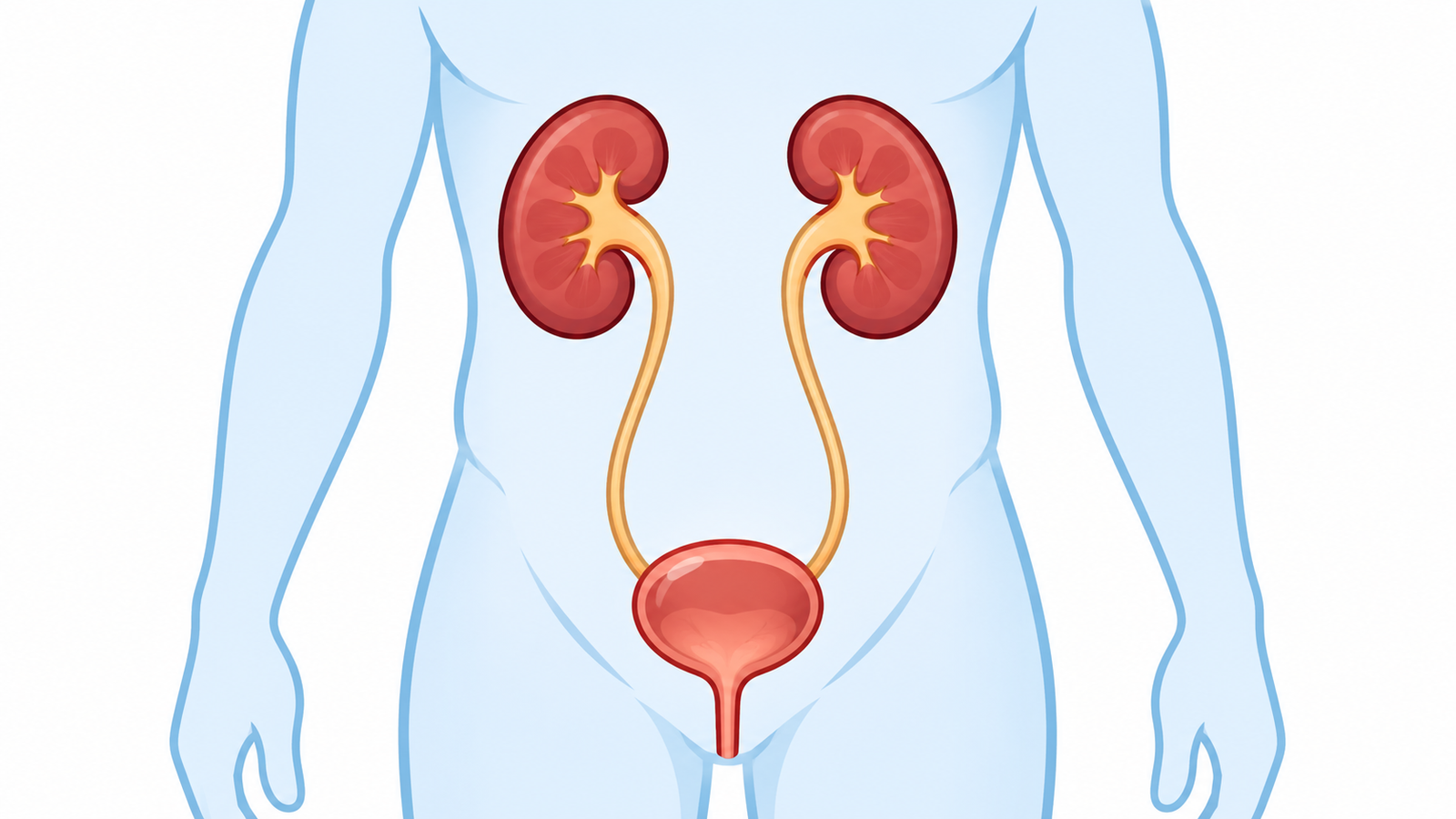
The kidneys filter blood and make urine. Urine flows down two thin tubes (the ureters) into the bladder, which stores it. When you pass urine, the bladder muscle squeezes and the urine leaves through the urethra. In men, the prostate gland surrounds the urethra just below the bladder, which is why prostate problems often affect urine flow.
Common urinary and bladder problems
Urinary tract infection (UTI)
A UTI is an infection anywhere in the urinary system, most often the bladder. It causes burning, frequent urination, urgency and sometimes fever. Women get UTIs more often, but in men a UTI usually needs further checks. Read our UTI guide: symptoms, causes, treatment and prevention.
Blood in urine (haematuria)
Blood in the urine, whether you can see it or it shows up only on a test, should always be checked by a doctor. Common causes include infection, stones and an enlarged prostate, but it can also be an early sign of bladder or kidney cancer. Read our blood in urine guide.
Overactive bladder (OAB)
Overactive bladder causes a sudden, strong urge to pass urine, needing to go often, waking at night, and sometimes leakage before reaching the toilet. Lifestyle changes, bladder training and medicines help most people. Read our overactive bladder guide.
Urinary incontinence (leakage)
Leakage can happen when coughing, sneezing or lifting (stress incontinence), with a sudden urge (urge incontinence), or both. Pelvic floor exercises are often the first treatment.
Difficulty passing urine and urinary retention
A weak stream, straining, or feeling that the bladder has not emptied can be caused by an enlarged prostate in men, a narrowing of the urethra (urethral stricture), or a weak bladder muscle. Sudden inability to pass urine is an emergency.
Symptoms to watch for
| Symptom | What it may mean |
|---|---|
| Burning or pain when passing urine | Infection, stones, inflammation |
| Passing urine very often, or waking at night | Overactive bladder, enlarged prostate, infection, diabetes |
| Sudden strong urge, with or without leakage | Overactive bladder |
| Leaking when coughing or lifting | Stress incontinence, weak pelvic floor |
| Weak stream or straining | Enlarged prostate, urethral stricture, weak bladder |
| Red, pink or cola-coloured urine | Infection, stones, prostate problems, or a tumour |
| Fever with urinary symptoms | Kidney infection, which needs urgent care |
How are bladder problems diagnosed?
Your urologist will usually start with your history and an examination, then may advise:
- Urine tests: routine test and culture to check for infection or blood
- Ultrasound: of the kidneys, bladder and prostate, including how much urine is left after passing urine
- Bladder diary: recording how much and how often you pass urine for 3 days. Use our 3-day bladder diary.
- Uroflowmetry: measuring the strength of your urine flow
- Cystoscopy: a thin camera to look inside the bladder, often needed for blood in the urine
- Urodynamic tests: detailed tests of bladder pressure and function, in selected cases
Treatment options
Treatment depends on the cause. It may include:
- Lifestyle changes: adjusting fluids, cutting down on tea, coffee and fizzy drinks, and managing weight and constipation
- Bladder training: gradually increasing the time between toilet visits. See our bladder training guide.
- Pelvic floor exercises: strengthening the muscles that support the bladder. See our pelvic floor exercises guide.
- Medicines: antibiotics for infection, or medicines to calm an overactive bladder or relax the prostate
- Self-catheterisation: for people who cannot empty the bladder fully. See our self-catheterisation (CIC) guide.
- Procedures: such as Botox injections into the bladder, nerve stimulation, prostate surgery, or stricture surgery, when simpler treatments do not help
When to see a urologist
Book an appointment if you have:
- Any blood in your urine
- Urine infections that keep coming back, or any UTI as a man
- Leakage or urgency that affects daily life
- A weak stream, straining or a feeling of incomplete emptying
- Waking more than twice a night to pass urine
Seek urgent care if you cannot pass urine at all, or have fever with back pain and urinary symptoms.
Common questions
Is it normal to pass urine often as I get older? Some change is common, but frequent urination or waking at night is not something you just have to live with. It is often treatable.
Can bladder problems be cured without surgery? Many can. Lifestyle changes, bladder training, pelvic floor exercises and medicines help most people.
Should I drink less water to stop leakage? No. Drinking too little makes urine concentrated, which can irritate the bladder. Your urologist can advise the right amount for you.
Is blood in urine always serious? Not always, but it should always be checked, because early diagnosis matters.
Book a consultation
If you have any urinary or bladder symptoms, book a consultation with Dr. Sudeep in Panchkula for a clear diagnosis and a treatment plan that suits you.
For more information, see the European Association of Urology patient information.
This article is for general education and does not replace advice from your own doctor.